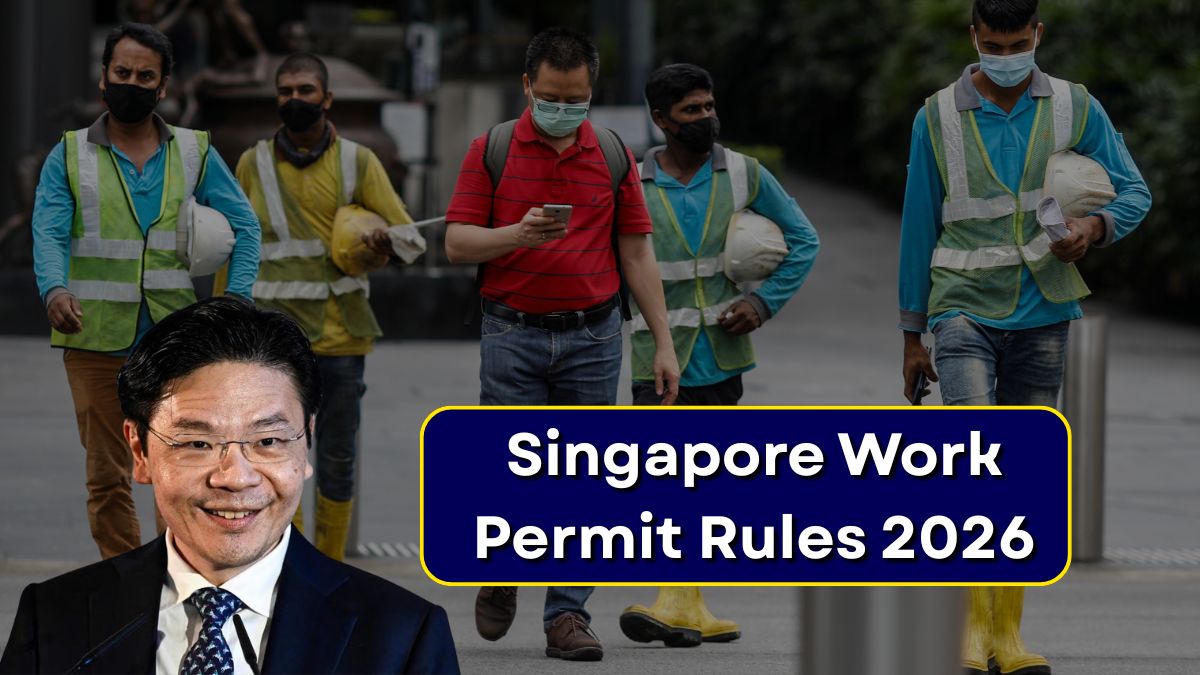
KEY HIGHLIGHTS
- Singapore is tightening Work Permit rules from 2026, affecting levies, quotas, and compliance.
- Employers with high foreign worker reliance will see higher costs and stricter audits.
- For most businesses, early workforce planning is no longer optional — it’s necessary.
If your business depends on Work Permit holders, 2026 is not a year to take lightly. Singapore’s foreign workforce policies are entering a stricter phase, and the cost of ignoring it can be painful — financially and operationally.

The upcoming Singapore Work Permit Rules 2026 reflect a clear policy signal: fewer low-skilled hires, higher productivity expectations, and stronger employer responsibility. This isn’t a sudden move. It’s part of a long-term recalibration driven by labour market data, rising business costs, and the need to protect opportunities for Singaporeans.
Honestly speaking, many SMEs will feel the pressure first.
Singapore’s Work Permit framework already comes with quotas, levies, and tight rules. What’s changing now is how hard those levers will be pulled — especially for companies heavily reliant on foreign manpower.
How the Singapore Work Permit System Works (Quick Refresher)
Work Permits allow companies to hire semi-skilled foreign workers in sectors like construction, manufacturing, marine shipyard, process, and services. These permits are regulated through two main controls: the Dependency Ratio Ceiling (DRC) and the Foreign Worker Levy (FWL).
The system has always been strict, but from 2026, enforcement and cost pressures are expected to intensify. The aim is simple: keep foreign manpower sustainable without crowding out local employment.
| Policy Area | What Changes in 2026 | Who Feels It Most |
|---|---|---|
| Foreign Worker Levy | Higher levy tiers for firms with heavy foreign worker dependence | Construction, services, manufacturing |
| Dependency Ratio Ceiling | Tighter DRC limits, especially in services | F&B, retail, logistics, cleaning |
| Compliance & Audits | More inspections and heavier penalties | All Work Permit employers |
| Skills & Safety | Mandatory certifications and training upgrades | Construction & marine sectors |
Major Singapore Work Permit Changes in 2026
Higher Foreign Worker Levy Rates
One of the biggest cost drivers is the expected increase in Foreign Worker Levy rates, particularly for companies sitting in higher dependency tiers. The intention is clear: hiring cheap labour should no longer be the default business model.
For employers, this means monthly manpower costs will rise, even if headcount stays the same. Businesses that delay productivity upgrades may find margins shrinking faster than expected.
Stricter Dependency Ratio Ceiling (DRC)
The Dependency Ratio Ceiling sets the maximum share of foreign workers a company can employ. From 2026, service-sector businesses are likely to face tighter limits, forcing changes in hiring strategies.
This will hit sectors like F&B, retail, logistics, and cleaning hardest — especially those already struggling with local hiring. For most Singapore employers, the message is blunt: redesign jobs or reduce reliance.
Tighter Employer Compliance and Audits
Expect more MOM inspections, deeper payroll checks, and closer scrutiny of worker housing and deployment. Penalties for non-compliance are also expected to increase.
This isn’t just about paperwork. Employers caught making false declarations or misusing permits risk suspension, fines, and hiring bans. No need to overthink — compliance gaps will cost you.
Stronger Focus on Skills, Safety, and Training
Foreign workers will need recognised skills certifications and safety training, especially in higher-risk sectors. This supports Singapore’s push to reduce workplace accidents and raise overall workforce quality.
For employers, training is no longer a “nice-to-have”. It’s a budget line item that must be planned early.
What This Means for Employers
Labour-heavy SMEs will feel the squeeze first. Rising levies, lower quotas, and stricter checks mean status quo operations won’t survive long-term.
Smart employers are already reviewing manpower plans, adjusting wage structures, and investing in automation tools. Waiting until 2026 to react is risky — by then, costs may already be locked in.
What Foreign Workers Should Expect
Foreign workers should prepare for stricter role enforcement, higher renewal standards, and tighter job transfer conditions. Employers will be under pressure to justify every Work Permit hire.
For job stability, skills and certifications matter more than ever. Those who upgrade will have better renewal prospects.
Frequently Asked Questions
Are Singapore Work Permit rules really changing in 2026?
Yes. Policy adjustments affecting levies, quotas, and enforcement will be phased in from 2026, based on MOM manpower planning.
Will the Foreign Worker Levy increase?
For many sectors, especially higher dependency tiers, levy increases are expected. This raises monthly employment costs per worker.
Can companies still hire foreign workers?
Yes, but under stricter conditions that prioritise productivity, compliance, and local workforce development.
Sources (Official Singapore Government)
- Ministry of Manpower (MOM): https://www.mom.gov.sg
- Singapore Government Policy Statements: https://www.gov.sg
- Foreign Worker Levy & Quota Guidelines: https://www.mom.gov.sg/passes-and-permits/work-permit-for-foreign-worker
