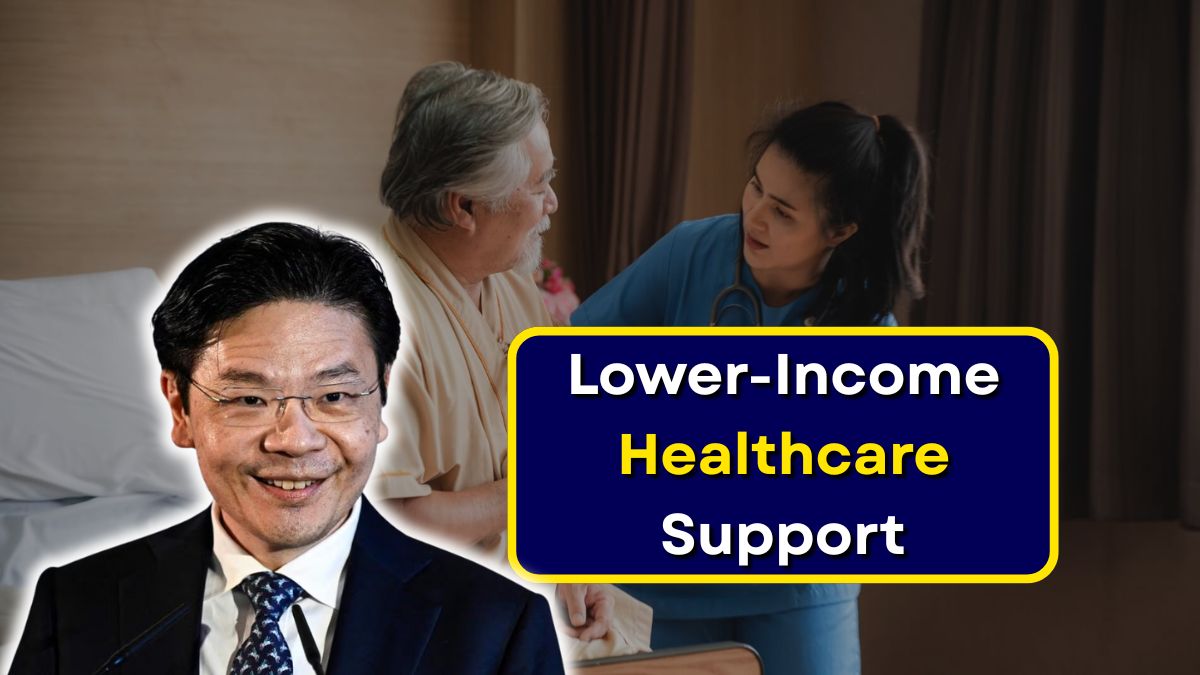
KEY HIGHLIGHTS
- Singapore expands lower-income healthcare support in 2026 to cushion rising medical costs
- Means-tested subsidies, MediShield Life and CHAS sharply reduce out-of-pocket expenses
- Eligible families can see hospital bills reduced by up to 80% at public institutions
Healthcare bills are becoming harder to ignore. For many Singapore households, especially lower-income families, seniors, and sandwich-generation caregivers, medical costs now feel like a silent pressure that keeps rising every year.
Honestly speaking, this is exactly why lower-income support in 2026 matters. With medical inflation, higher insurance premiums, and longer lifespans, Singapore’s healthcare subsidies are no longer just helpful — they are essential for financial stability.

In 2026, the Singapore Government continues to reinforce its healthcare safety net through means-tested subsidies, enhanced insurance support, and targeted assistance schemes. The goal is clear: no Singaporean should avoid treatment because of cost.
How Singapore Helps Lower-Income Families in 2026
| Support Area | What It Covers | Why It Matters for Families |
|---|---|---|
| Means-Tested Subsidies | Outpatient, specialist & hospital bills | Lower-income households receive higher subsidies |
| MediShield Life | Universal insurance coverage | Premium subsidies reduce annual cash outlay |
| MediSave | CPF medical savings | Cuts down immediate cash payments |
| CHAS | Private GP & dental care | Affordable care near home |
| MediFund | Financial hardship cases | Final safety net if bills still unaffordable |
Why Healthcare Costs Keep Rising in Singapore
Medical costs are increasing for reasons most people don’t see day-to-day. Singapore’s ageing population means more chronic illnesses, longer treatments, and repeated hospital visits. At the same time, new medical technology improves outcomes but comes at a higher price.
Insurance premiums under Integrated Shield Plans have also climbed, while healthcare manpower and operating costs continue to rise with inflation. All these factors add up — and without government intervention, lower-income households would feel the impact the most.
This is why Singapore uses a multi-layered healthcare financing system instead of relying on insurance alone.
Singapore’s Healthcare Financing Framework (2026)
Singapore’s approach is built on shared responsibility — between individuals, families, insurers, and the government. For lower-income households, the system tilts more support in their favour.
The framework rests on four pillars: government subsidies, MediSave, MediShield Life, and targeted assistance schemes. The lower your household income, the more support you receive. Simple as that.
This structure ensures fairness without encouraging over-consumption of healthcare services.
Means-Tested Healthcare Subsidies in 2026
How Means Testing Works
Means testing determines subsidy levels based on household monthly per capita income (PCI) or the annual value of your home. The lower the PCI, the higher the subsidy.
In 2026, assessments are largely automatic using government records, so most families don’t need to submit paperwork. Larger households with lower income per person benefit more, and seniors continue to receive enhanced support.
Subsidies at Public Hospitals and Polyclinics
For most Singaporeans, public healthcare is where subsidies really make a difference.
At polyclinics and specialist outpatient clinics, lower-income families enjoy reduced consultation fees, subsidised diagnostic tests, and cheaper medication for chronic conditions like diabetes or hypertension.
For hospital stays, ward choice matters. Patients in C and B2 wards receive the highest support, with subsidies covering up to 80% of the total bill for eligible households. That’s often the difference between manageable payments and financial stress.
MediShield Life: Universal Protection That Actually Works
MediShield Life remains the backbone of Singapore’s healthcare affordability.
In 2026, it continues to cover all Singapore Citizens and Permanent Residents for life, regardless of age or health conditions. Claim limits for major illnesses and surgeries remain robust, ensuring large bills don’t wipe out savings.
Lower-income families receive permanent or transitional premium subsidies, which significantly reduce yearly insurance costs. For many households, this means MediShield Life premiums require little or no cash top-up.
MediSave Support for Lower-Income Households
MediSave plays a quiet but powerful role in reducing healthcare stress.
Eligible lower-income seniors receive additional MediSave top-ups in 2026, while working adults can use MediSave for approved outpatient treatments under chronic disease programmes.
One underrated benefit: family sharing. Children can use their MediSave to help pay for parents’ medical expenses. No need to overthink — this feature alone eases pressure for many middle-aged caregivers.
Community Health Assist Scheme (CHAS)
CHAS helps lower-income families access affordable care without travelling far.
In 2026, CHAS subsidies continue to cover visits to participating private GP and dental clinics. Households receive support for common illnesses, higher subsidies for chronic conditions, and dental care including preventive treatments.
For heartland families, CHAS often means faster access, shorter waiting times, and less reliance on hospital services.
Silver Support and Elderly Healthcare Assistance
Healthcare costs hit seniors the hardest. That’s why elderly-focused schemes remain a priority.
The Silver Support Scheme provides regular cash payouts to eligible low-income seniors, helping with daily expenses including healthcare. Additional outpatient subsidies and enhanced long-term care financing further reduce the burden on families.
For many households, this support is what keeps ageing parents independent and medically secure.
Additional Assistance During Financial Hardship
MediFund: The Final Safety Net
Even after subsidies, insurance, and MediSave, some families still struggle. This is where MediFund steps in.
MediFund is strictly means-tested and supports patients who genuinely cannot afford their remaining medical bills. It covers both inpatient and outpatient care and ensures no Singaporean is denied treatment due to lack of money.
Equity-Focused Healthcare Policies in 2026
Singapore’s healthcare philosophy is straightforward: those with greater needs receive more help.
Policies focus on progressive subsidies, automatic eligibility checks, and better integration between healthcare and social services. The result is fewer missed subsidies, less red tape, and lower risk of medical debt.
This approach protects not just physical health, but long-term financial resilience too.
How Families Can Maximise Healthcare Subsidies
Lower-income families can stretch support further with a few practical steps. Opt for subsidised care at public institutions whenever possible. Keep household income records updated so subsidy assessments stay accurate.
Apply for CHAS early, use MediSave family sharing, and speak to a hospital medical social worker as soon as financial concerns arise. Early action often unlocks more help than people realise.
Frequently Asked Questions
What healthcare subsidies are available for lower-income families in Singapore in 2026?
Families can access means-tested public healthcare subsidies, MediShield Life premium support, CHAS benefits, MediSave top-ups, and MediFund assistance.
How much subsidy can a low-income family receive for hospital bills?
Depending on income level and ward choice, subsidies can cover up to 80% of hospital bills at public hospitals.
Is MediShield Life enough for lower-income households?
For most families, yes. Combined with premium subsidies and government support, MediShield Life provides strong baseline protection without heavy cash payments.
Final Thoughts for Singapore Families
Rising healthcare costs are real, but so is Singapore’s support system. In 2026, lower-income support remains strong, practical, and focused on equity.
Through means-tested subsidies, MediShield Life, MediSave, CHAS, and MediFund, Singapore ensures that quality healthcare stays accessible — without pushing vulnerable families into financial hardship.
Understanding these schemes isn’t just helpful. It’s one of the smartest financial moves a household can make.
Sources (Official Singapore Government Websites)
- Ministry of Health (MOH): https://www.moh.gov.sg
- Central Provident Fund Board (CPF): https://www.cpf.gov.sg
- MediShield Life: https://www.moh.gov.sg/medishield-life
- Community Health Assist Scheme (CHAS): https://www.chas.sg
- MediFund: https://www.moh.gov.sg/cost-financing/medifund
