KEY HIGHLIGHTS
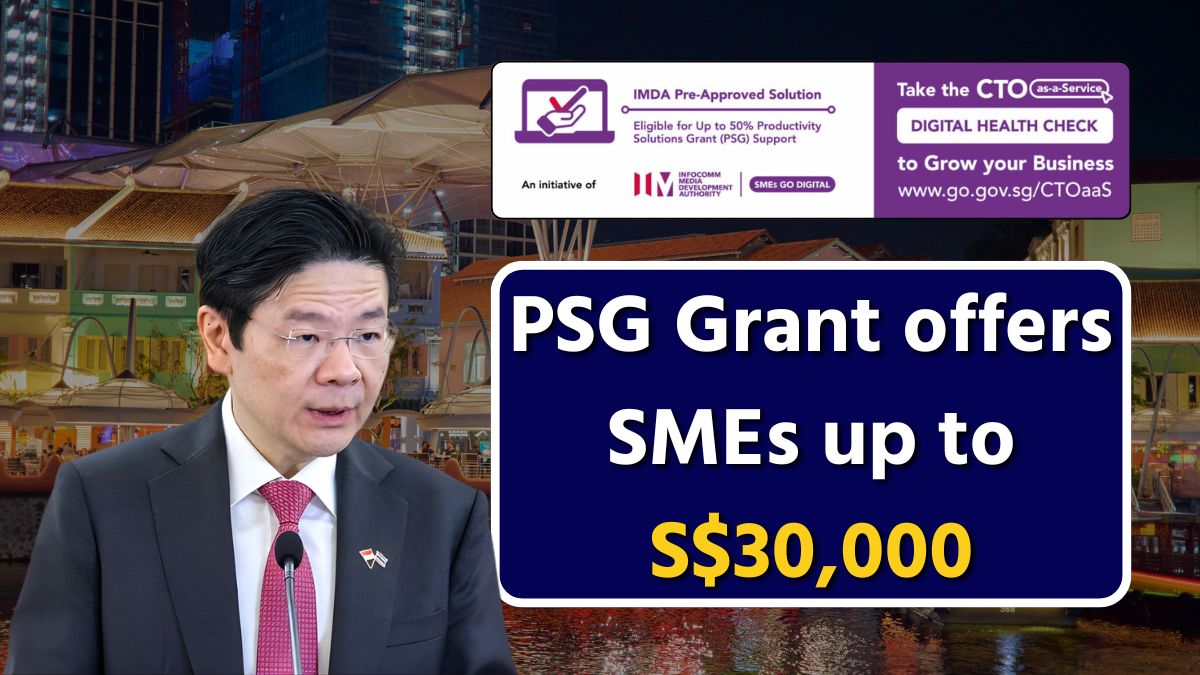
- PSG Grant continues into 2026 with funding support for SME digitalisation in Singapore
- Up to 50% funding, including GenAI, automation, and productivity tools
- Maximum support capped at S$30,000 per company
Running a small business in Singapore isn’t getting cheaper. Rent, manpower, software subscriptions — everything adds up fast. That’s why the PSG Grant 2026 still matters, whether you’re operating from Jurong East, Tampines, or a small industrial unit in Woodlands.
For 2026, the Productivity Solutions Grant remains one of the most practical government schemes available. It helps SMEs adopt approved digital tools, automation systems, and GenAI-powered solutions without draining cash flow. Honestly speaking, very few grants are this straightforward.

What most business owners like is the predictability. The structure stays familiar, the application process hasn’t suddenly become complicated, and the funding still covers a meaningful portion of real business costs.
How Much Funding Can SMEs Get Under PSG Grant 2026?
Under the PSG Grant 2026, eligible SMEs can receive up to 50% funding, capped at S$30,000 per company. This applies across approved solutions such as HR systems, accounting software, POS systems, cybersecurity tools, and GenAI platforms.
The grant works on a reimbursement basis. You pay first, deploy the solution, then submit your claim. Once approved, the payout goes directly to your company account.
For most Singapore SMEs, this funding level hits a sweet spot — enough support to upgrade systems, but not so complex that it becomes a paperwork nightmare.
| PSG Grant 2026 Overview | Details |
|---|---|
| Funding Support | Up to 50%, capped at S$30,000 |
| Who Can Apply | SMEs with 30% local ownership |
| Business Size | Turnover under S$100 million or staff below 200 |
| New Focus | GenAI, automation, productivity tools |
| Application Portal | Business Grants Portal (CorpPass required) |
| Disbursement | PayNow Corporate (~14 working days) or GIRO (up to 8 weeks) |
Who Is Eligible for the PSG Grant in 2026?
Eligibility rules for 2026 remain familiar, which is good news for local businesses.
Your company must be registered and operating in Singapore, with at least 30% local shareholding held by Singapore Citizens or Permanent Residents. On top of that, your business must meet one of these conditions:
- Annual turnover below S$100 million, or
- Employment size under 200 staff
The solution you apply for must be deployed in Singapore, and the vendor must be listed on the official pre-approved solution directory.
One very important point that trips people up every year: do not sign any contract or make payment before submitting your application. If you do, the application is automatically rejected. No appeal.
Organisations That Cannot Apply
The PSG Grant is meant strictly for commercial productivity improvements. As such, the following organisations are not eligible:
- Charities
- Institutions of a Public Character (IPCs)
- Religious organisations
- Voluntary Welfare Organisations (VWOs)
- Government agencies
- Societies
If your entity is non-commercial in nature, this grant won’t apply.
Understanding the 30% Local Shareholding Rule
This rule sounds simple, but many SME owners still get confused.
The 30% local shareholding can be direct or indirect. Authorities look at the ultimate ownership structure, not just the immediate shareholders listed on ACRA.
As long as Singapore Citizens or PRs collectively hold at least 30% control, your company meets the requirement. No need to overthink, but do make sure your structure is clear and documented.
Consultancy Services: Rules That Still Apply in 2026
Consultancy projects under PSG continue with specific conditions.
To qualify, your company must have at least three local employees at the point of application. This is strictly checked.
Here’s how consultancy funding works:
- SMEs: Up to 50% support
- Non-SMEs: Up to 30% support
- Maximum Cap: S$40,262.41 per enterprise
You can submit multiple applications under the same UEN, as long as you stay within the overall funding cap.
Remember, consultancy projects are also reimbursed only after completion.
What Types of Solutions Does PSG Grant 2026 Support?
The PSG Grant covers a wide range of pre-approved solutions designed to cut manual work and improve efficiency.
Generic Solutions (All Industries)
These apply to most businesses:
- HR management systems
- Accounting software
- IT and cybersecurity tools
- Document management systems
- ERP and standalone systems
Sector-Specific Solutions
Tailored solutions exist for industries like:
- Retail
- F&B
- Logistics
This includes POS systems, inventory management, fleet tracking, and operational software commonly used by heartland businesses.
Most Popular PSG Categories Among SMEs
Based on past application trends, these categories continue to dominate:
- IT automation equipment
- HR and payroll systems
- POS solutions
- Cybersecurity tools
- Document and workflow management
- Fleet management systems
These are practical tools that deliver results quickly, not fancy add-ons.
Digital Marketing Support Still Attracts SMEs
Digital marketing packages remain a top choice for SMEs under PSG Grant 2026.
Pre-approved solutions typically include:
- SEO
- SEM
- Social media marketing
- Content marketing
With 50% funding, businesses can grow online visibility without paying full agency fees upfront. For many SMEs, this makes digital marketing far more accessible.
GenAI Solutions: The Big Upgrade SMEs Care About
This is where things get interesting.
GenAI solutions introduced earlier continue into 2026, covering areas such as marketing automation, customer engagement, and sales workflows. These tools were previously tested under controlled programmes before being added to the PSG list.
For SMEs curious about AI but worried about costs, this is one of the safest ways to start — with government support cushioning the risk.
Step-by-Step: How to Apply for PSG Grant 2026
Step 1: Select a Pre-Approved Solution
Browse the official portal and shortlist a solution that fits your business needs.
Step 2: Request a Quotation
Get an official quote from the approved vendor. Do not sign or pay yet.
Step 3: Prepare Required Documents
Common documents include your latest ACRA profile, financial statements, deployment details, and relevant licences.
Step 4: Submit via Business Grants Portal
Log in using CorpPass and submit the application. Processing usually takes 4–6 weeks.
Step 5: Accept the Letter of Offer
Only authorised CorpPass users can accept it.
Step 6: Deploy and Submit Claims
Use the solution for at least 30 days, then upload invoices, proof of payment, and usage evidence.
What Happens After Approval?
Most applications receive an outcome within six weeks, though peak periods may take longer.
Once your claim is approved:
- PayNow Corporate: Around 14 working days
- GIRO: Up to 8 weeks
Setting up PayNow Corporate helps speed things up significantly.
Common Mistakes That Delay PSG Payouts
Delays usually happen because of simple issues:
- Missing or incorrect documents
- Paying vendors before approval
- Slow responses to assessors
- Late claim submissions
A bit of attention here saves weeks of waiting.
Why the PSG Grant Still Matters in 2026
From neighbourhood retailers upgrading POS systems to logistics SMEs improving fleet visibility, the PSG Grant continues to be a real support system.
With GenAI and automation now part of the picture, SMEs can modernise operations without burning cash. For most Singapore businesses, it’s still worth applying — as long as you follow the rules properly.
Frequently Asked Questions
1. What is the main eligibility requirement for PSG Grant 2026?
Your business must be registered in Singapore, have at least 30% local ownership, and meet the turnover or manpower limits.
2. What solutions qualify under PSG in 2026?
HR, accounting, POS, cybersecurity, document management, fleet systems, digital marketing, and GenAI-powered solutions.
3. How long does the PSG application and payout process take?
Approval usually takes around six weeks, with payout in 14 working days if using PayNow Corporate.
