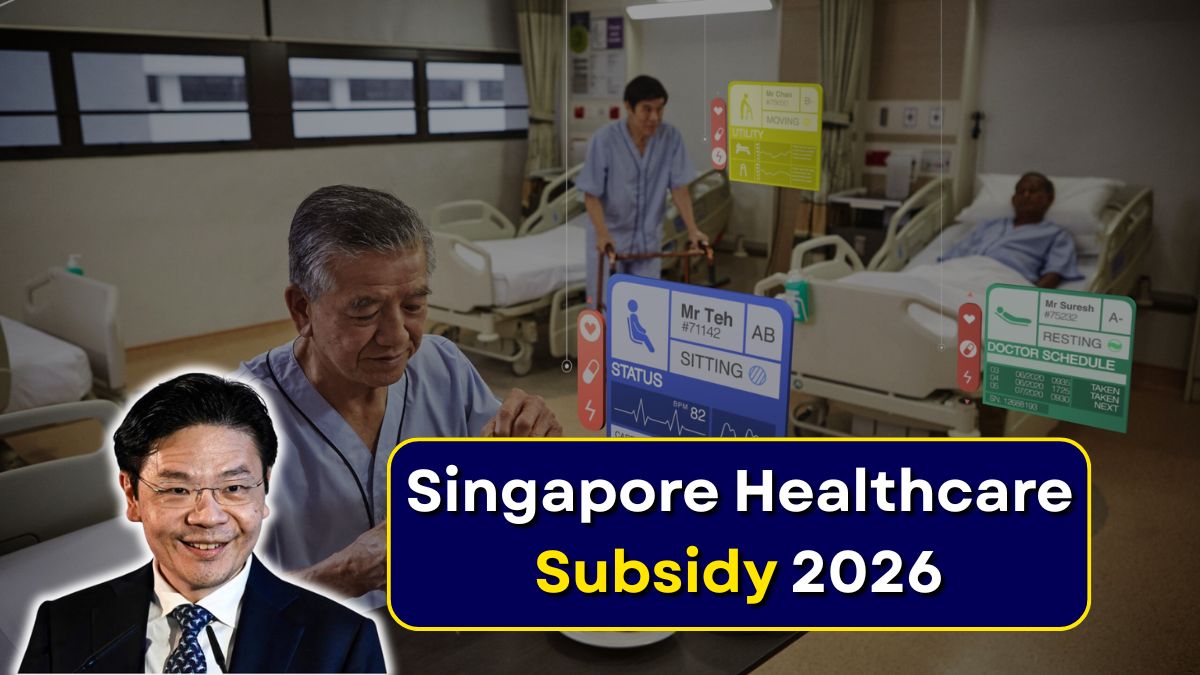
KEY HIGHLIGHTS
- Singapore healthcare subsidies in 2026 remain strong despite rising medical costs
- Citizens can still receive up to 80% subsidies at public healthcare institutions
- Smart use of MediShield Life and MediSave can cut out-of-pocket bills significantly
Healthcare costs are rising. Everyone feels it — from young families in BTO flats to seniors managing long-term conditions. That’s why Singapore Healthcare Subsidy 2026 matters more than ever for households trying to stay financially steady.
With medical inflation and an ageing population, healthcare is no longer a “later” problem. The good news? Singapore’s system is still one of the most affordable globally — if you know how to use it properly. Many people overpay simply because they don’t understand how subsidies, insurance, and CPF schemes work together.

Singapore’s healthcare funding model is based on shared responsibility. The Government provides heavy subsidies, but individuals are expected to plan wisely using MediShield Life, CPF MediSave, and means-tested support. This guide breaks down exactly what support exists in 2026, who qualifies, and how to legally reduce medical bills.
Snapshot of Singapore’s Healthcare Subsidy System (2026)
| Component | What It Covers | Who Benefits Most |
|---|---|---|
| Government Healthcare Subsidies | Public hospitals, SOCs, polyclinics | Singapore Citizens |
| MediShield Life | Large hospital bills, selected outpatient care | All citizens & PRs |
| CPF MediSave | Insurance premiums, hospitalisation, chronic care | Working adults & seniors |
| CHAS | GP and dental care | Lower- to middle-income households |
| MediFund | Last-resort medical assistance | Financially needy citizens |
How Singapore’s Healthcare Subsidy Framework Works
Singapore’s healthcare affordability rests on three core pillars working together, not separately.
First, government healthcare subsidies reduce the actual cost of treatment at public institutions. Second, MediShield Life provides compulsory insurance protection against large hospital bills. Third, CPF MediSave allows you to pay medical expenses using your own savings rather than cash.
When used correctly, these layers prevent medical bills from turning into long-term financial damage — even during serious illness.
Government Healthcare Subsidies in Singapore (2026)
Public Healthcare Subsidies Explained
Under the Singapore healthcare subsidy 2026 structure, the Government directly subsidises treatment at public hospitals, specialist outpatient clinics, and polyclinics. These subsidies apply automatically when you choose subsidised care.
Subsidy levels depend on citizenship status, ward class, and household means-testing. Singapore Citizens receive the highest support, while Permanent Residents receive lower but still meaningful subsidies.
Ward Class Subsidy Levels (Indicative)
| Ward Type | Subsidy for Singapore Citizens |
|---|---|
| C Ward | Up to 80% |
| B2 Ward | Up to 65% |
| B2+ Ward | Up to 50% |
Private wards (A Class) and private hospitals receive no government subsidy, which is why insurance planning is so important.
Means-Tested Subsidies (MTS): Who Gets More Help?
Means-tested subsidies ensure support goes to households that need it most. Eligibility is assessed using:
- Per capita household income for HDB households
- Annual value of property for private property owners
Lower-income households qualify for higher subsidies, especially for outpatient treatments and long-term care. Approval usually applies for a fixed period and must be renewed when circumstances change.
MediShield Life Premium 2026: What You’re Really Paying
MediShield Life remains the backbone of Singapore’s healthcare insurance system in 2026. It provides lifetime coverage and is mandatory for all citizens and permanent residents.
Premiums increase by age bands, but most people pay using CPF MediSave, not cash. For many households, government premium subsidies offset a large portion of the cost.
MediShield Life Premium Subsidies in 2026
The Government provides ongoing subsidies for:
- Lower- and middle-income Singaporeans
- Pioneer Generation and Merdeka Generation seniors
- Seniors aged 60 and above
Additional transitional subsidies help cushion increases when premiums are adjusted.
CPF MediSave Usage in 2026: What You Can Use It For
CPF MediSave continues to be one of the most powerful tools under the Singapore healthcare subsidy 2026 system.
You can use MediSave for:
- MediShield Life premiums
- Integrated Shield Plan premiums (within limits)
- Hospitalisation and day surgery
- Approved outpatient treatments such as dialysis, chemotherapy, and chronic disease management
Annual withdrawal limits apply to ensure MediSave remains sufficient for old age needs.
Additional Government Healthcare Support Schemes
Community Health Assist Scheme (CHAS)
CHAS provides subsidies for GP and dental visits at participating clinics. Lower-income households receive higher subsidies, making everyday healthcare far more affordable.
CareShield Life
CareShield Life offers long-term financial support for severe disability. With Singapore’s ageing population, this scheme plays a bigger role from 2026 onwards.
MediFund: The Final Safety Net
MediFund supports Singapore Citizens who still cannot afford medical bills after all other subsidies and insurance have been applied. It ensures no one is denied essential care due to finances.
How to Reduce Healthcare Costs Legally in Singapore (2026)
For most Singaporeans, cost control comes down to smart decisions, not cutting corners.
Choosing polyclinics and subsidised referral pathways unlocks maximum subsidies. Selecting C or B2 wards can reduce hospital bills by thousands of dollars. Planning MediSave usage for chronic care and insurance premiums helps preserve cash flow.
Private insurance upgrades can improve comfort, but they also increase long-term premium commitments. No need to overthink — review plans carefully before upgrading.
What Singapore Healthcare Subsidy 2026 Means for Households
The Singapore healthcare subsidy 2026 system continues to protect lower-income families, support seniors, and keep public healthcare affordable. Rising costs are real, but catastrophic medical bills remain rare for those who use the system properly.
Honestly speaking, most households already have enough support — they just need clearer understanding and better planning.
Frequently Asked Questions
What is Singapore healthcare subsidy 2026?
It refers to government financial support for healthcare in public institutions, including treatment subsidies, insurance premium support, and CPF-based assistance.
Who qualifies for the highest healthcare subsidies?
Lower-income Singapore Citizens living in HDB flats and choosing subsidised ward classes receive the highest support.
Is MediShield Life enough on its own?
MediShield Life covers large bills, but some out-of-pocket costs still apply depending on treatment type and ward choice.
Planning Ahead with Singapore Healthcare Subsidy 2026
The Singapore healthcare subsidy 2026 framework keeps healthcare accessible without overloading public finances. By understanding how subsidies, MediShield Life, and MediSave work together, households can reduce medical costs significantly while staying protected.
Sources (Official Singapore Government Websites)
- Ministry of Health (MOH): https://www.moh.gov.sg
- CPF Board: https://www.cpf.gov.sg
- MediShield Life: https://www.moh.gov.sg/healthcare-schemes-subsidies/medishield-life
- Community Health Assist Scheme (CHAS): https://www.chas.sg
